Distributed Systems Enabling Live Odds Synchronization Across Sports, Racing, and Casino Platforms
Hugo Frank · Aug 20, 2026
Distributed Systems Enabling Live Odds Synchronization Across Sports, Racing, and Casino Platforms
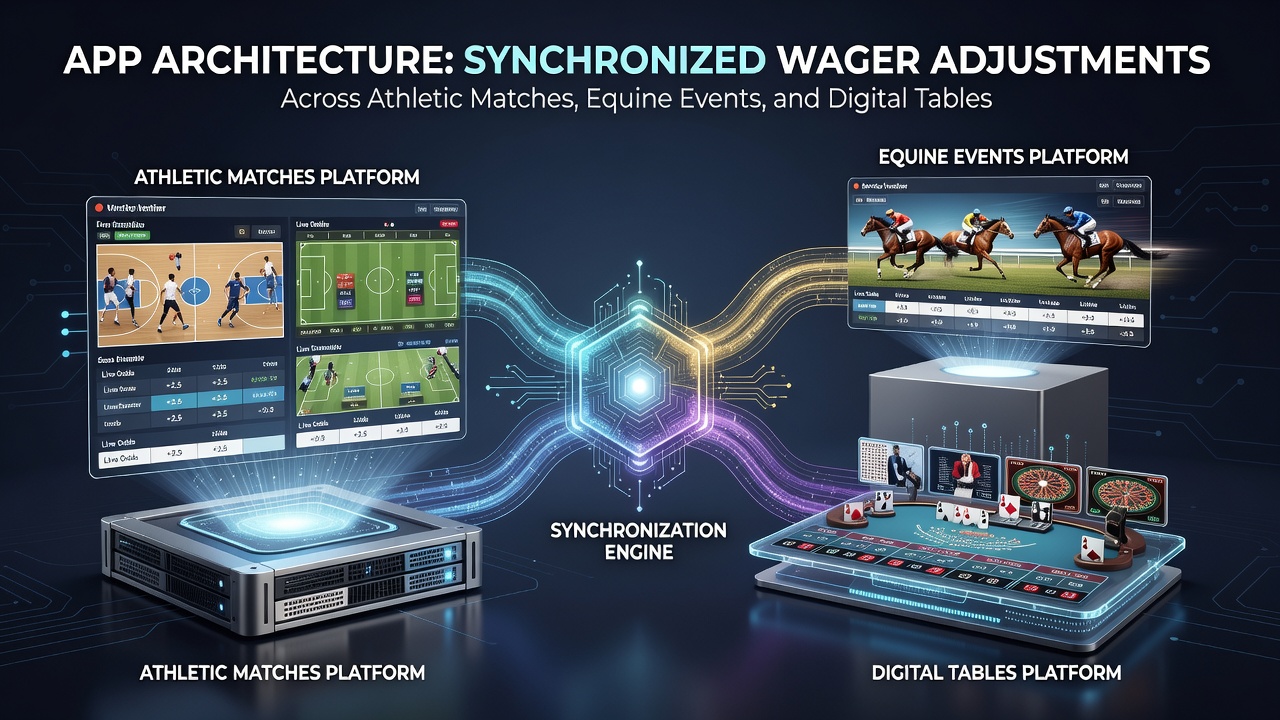
Modern betting platforms rely on distributed computing frameworks that process incoming data streams from athletic matches, equine events, and digital tables simultaneously, allowing wager adjustments to reflect changing conditions without lag across multiple verticals. These systems employ event-driven architectures where microservices handle specific functions such as odds calculation, risk assessment, and user notification, all coordinated through message queues that maintain consistency even when events unfold in parallel.
Core Components of Real-Time Data Handling
Engineers design the foundational layer around Apache Kafka or similar streaming platforms that ingest live feeds from stadium sensors, track timing systems, and casino game servers, then route updates to processing nodes responsible for recalculating probabilities on the fly. Observers note that this setup supports the high throughput required when a football match enters injury time while a horse race approaches the final furlong and multiple table games shift their house edges based on player patterns.
Database clusters using technologies like Cassandra or CockroachDB replicate state changes across geographic regions, ensuring that a wager adjustment triggered by an in-play goal registers identically whether the user accesses the platform via mobile during a trackside session or from a desktop interface at a virtual blackjack table. Research from institutions such as the Institute of Electrical and Electronics Engineers highlights how sharded data models prevent bottlenecks that once plagued earlier monolithic applications.
Integration Across Betting Verticals
Application programming interfaces connect the central orchestration engine to sport-specific modules that monitor variables like player substitutions or track conditions, to equine modules tracking pace and position data, and to casino modules updating based on card counts or wheel outcomes. These APIs operate under standardized protocols that allow a single adjustment command to propagate without custom coding for each category, which streamlines deployment when operators expand offerings.
One development team working on multi-vertical platforms discovered that container orchestration with Kubernetes enables independent scaling of services during peak periods, such as when major soccer tournaments overlap with international racing calendars and casino promotions drive higher table traffic. The architecture isolates failures so that an issue in one feed does not cascade into others, preserving overall platform stability.
Latency Reduction and Scalability Measures
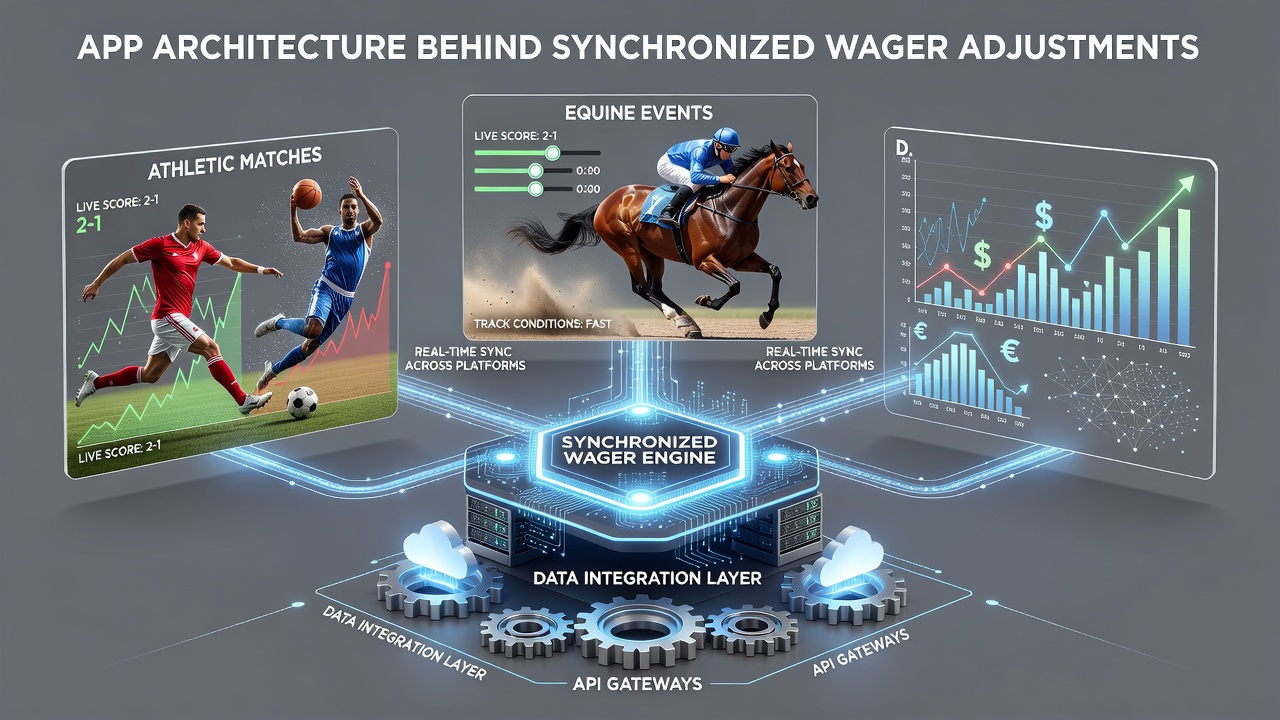
Edge computing nodes positioned near data sources reduce transmission delays, allowing adjustments to reach users within milliseconds regardless of their location. Load balancers distribute traffic across availability zones while caching mechanisms store frequently accessed reference data locally, cutting down on repeated queries to central repositories during intense live periods.
Studies conducted by academic groups focused on distributed systems show that hybrid cloud setups combining on-premise hardware with public providers deliver the elasticity needed to handle sudden spikes without compromising synchronization accuracy. Those who manage these environments often implement circuit breakers that temporarily isolate underperforming components, rerouting requests to maintain continuous operation across all event types.
Security Protocols and Regulatory Alignment
Encryption standards protect data in transit and at rest, with tokenization applied to sensitive wager details so that synchronization processes never expose full user information. Access controls limit which services can initiate or receive adjustments, and audit logs record every change for later review by oversight bodies in various jurisdictions.
Platforms incorporate compliance engines that automatically flag adjustments exceeding predefined thresholds, routing them through additional verification layers before they affect user accounts. This approach aligns with frameworks established by organizations such as the European Gaming and Betting Association, which publishes guidelines on technical resilience for operators serving international markets.
Future Directions in Unified Wagering Architecture
Developers continue to explore graph databases for modeling complex relationships between events in different categories, enabling more nuanced adjustment rules that account for correlated outcomes across sports, racing, and tables. Machine learning models trained on historical synchronization data help predict load patterns and pre-allocate resources ahead of anticipated high-volume windows.
Testing environments replicate production conditions using synthetic feeds that simulate simultaneous updates from athletic, equine, and casino sources, allowing teams to validate new features before release. As infrastructure matures, these systems increasingly support seamless experiences for users who move between betting formats within a single session.
Conclusion
The architectural choices behind synchronized wager adjustments reflect ongoing efforts to balance speed, reliability, and cross-vertical consistency in platforms that serve diverse betting interests. By combining streaming technologies, resilient databases, and modular services, operators maintain the technical foundation required for live environments where conditions evolve rapidly across athletic matches, equine events, and digital tables.