Dynamic Support Systems and Adjustable Payment Tools for Handling Live Changes in Football, Horse Racing, and Casino Games on Mobile Apps
Xander Vogel · Aug 22, 2026
Dynamic Support Systems and Adjustable Payment Tools for Handling Live Changes in Football, Horse Racing, and Casino Games on Mobile Apps
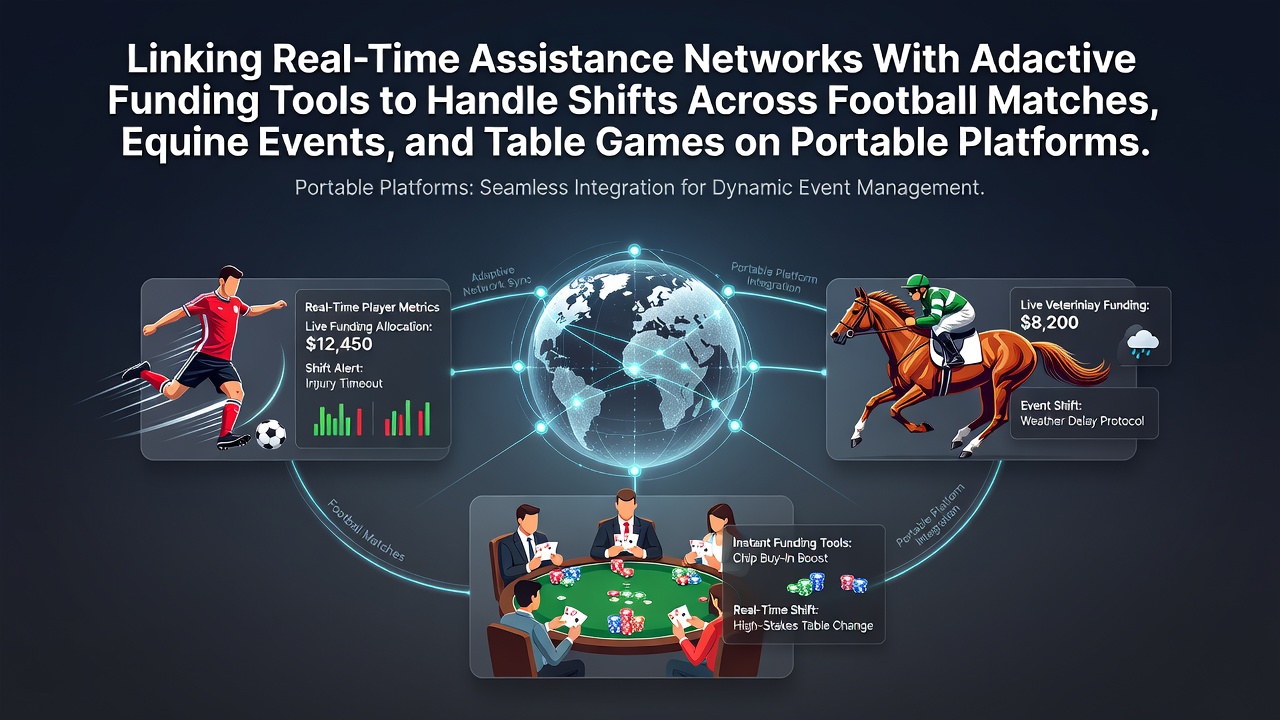
Operators now integrate real-time assistance networks directly with adaptive funding tools so users can respond to momentum shifts across football matches, equine events, and table games without leaving mobile platforms, and data from industry reports shows transaction volumes rising sharply during live periods when odds adjust rapidly.
Core Components of Integrated Networks
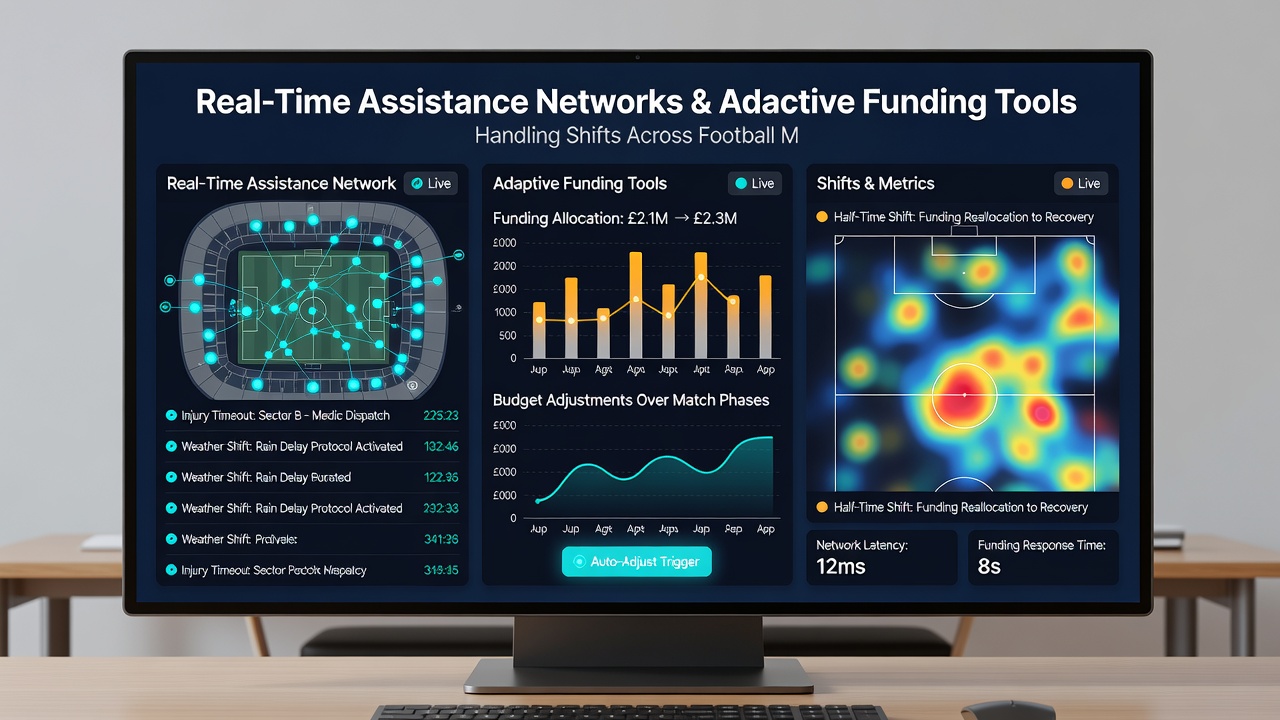
Real-time assistance networks connect customer support agents with live betting dashboards while adaptive funding tools adjust deposit limits and withdrawal speeds based on account activity, and these systems rely on APIs that pull event data from multiple sportsbooks and casino providers at once. Observers note that when a football match enters extra time or a horse race approaches the final stretch, support staff receive alerts that trigger funding options tailored to the user's current balance and betting history. Research indicates such linkages reduce average resolution times for payment queries from several minutes to under thirty seconds in many cases.
Handling Shifts Across Event Types
Football matches generate frequent score updates that alter odds within seconds, equine events feature variable track conditions that influence payouts, and table games such as blackjack or roulette produce rapid card or wheel outcomes that demand immediate funding adjustments. Adaptive tools monitor these variables through data feeds and offer instant top-up options during peak volatility, whereas assistance networks provide guidance on available promotions or rule changes without interrupting the betting flow. Figures from mobile analytics platforms reveal that users who access both support and funding features in one interface complete more transactions per session than those who switch between separate apps.
Technical Architecture Behind the Integration
Developers build these platforms around secure cloud services that link chat modules to payment gateways, allowing agents to authorize micro-deposits or extend credit lines after verifying identity through biometric checks on portable devices. When a user encounters a funding delay during a critical moment in a horse race, the system routes the query to an agent who can adjust parameters in real time while the funding tool processes the request through multiple banking partners simultaneously. According to studies on digital gambling infrastructure, such architectures maintain compliance with regional standards by logging every interaction for audit purposes.
Regulatory Context in August 2026
By August 2026 several jurisdictions outside the United Kingdom have updated requirements for real-time monitoring of player funds and support interactions, and operators must demonstrate that adaptive tools prevent unauthorized transfers while assistance networks flag potential problem gambling indicators. Data compiled by the American Gaming Association shows mobile betting volumes continuing to climb, prompting regulators in North America and parts of Europe to examine how integrated systems handle sudden shifts in activity across sports and casino verticals. Those who've examined the frameworks note that seamless linkage between support and funding reduces friction without compromising verification steps.
Case Examples From Operational Platforms
One platform serving international users implemented an alert system that notifies support agents when a table game session shows rapid stake increases, and the funding tool responds by suggesting smaller increments or pausing options based on predefined thresholds. Another operator handling equine events in Australia linked its chat interface to multiple digital wallet providers so users could switch funding sources mid-race without logging out, and records indicate fewer abandoned bets during volatile periods. Research from academic sources such as the Gambling Research Exchange Ontario highlights that these combined features appear in markets where mobile penetration exceeds seventy percent of total betting activity.
Future Developments and Data Trends
Industry forecasts project continued growth in integrated mobile systems through the remainder of 2026 and beyond, with emphasis on machine learning models that predict funding needs based on historical patterns across football, racing, and table games. Support networks are expected to incorporate predictive prompts that guide users toward suitable deposit amounts before shifts occur, while adaptive tools refine their response times through iterative testing. Evidence from platform telemetry indicates that users who engage both features report higher satisfaction scores in post-session surveys compared with those limited to basic transaction methods.
Conclusion
Linking real-time assistance networks with adaptive funding tools creates a unified environment for managing live variations in football matches, equine events, and table games on portable platforms, and ongoing data collection supports refinements that align with evolving regulatory expectations across multiple regions. Operators continue to refine these connections to maintain transaction reliability while meeting compliance standards established in 2026.