Integrated Mobile Navigation: Soccer Alerts, Equine Forms, and Casino Table Games
Paul Keller · Aug 28, 2026
Integrated Mobile Navigation: Soccer Alerts, Equine Forms, and Casino Table Games
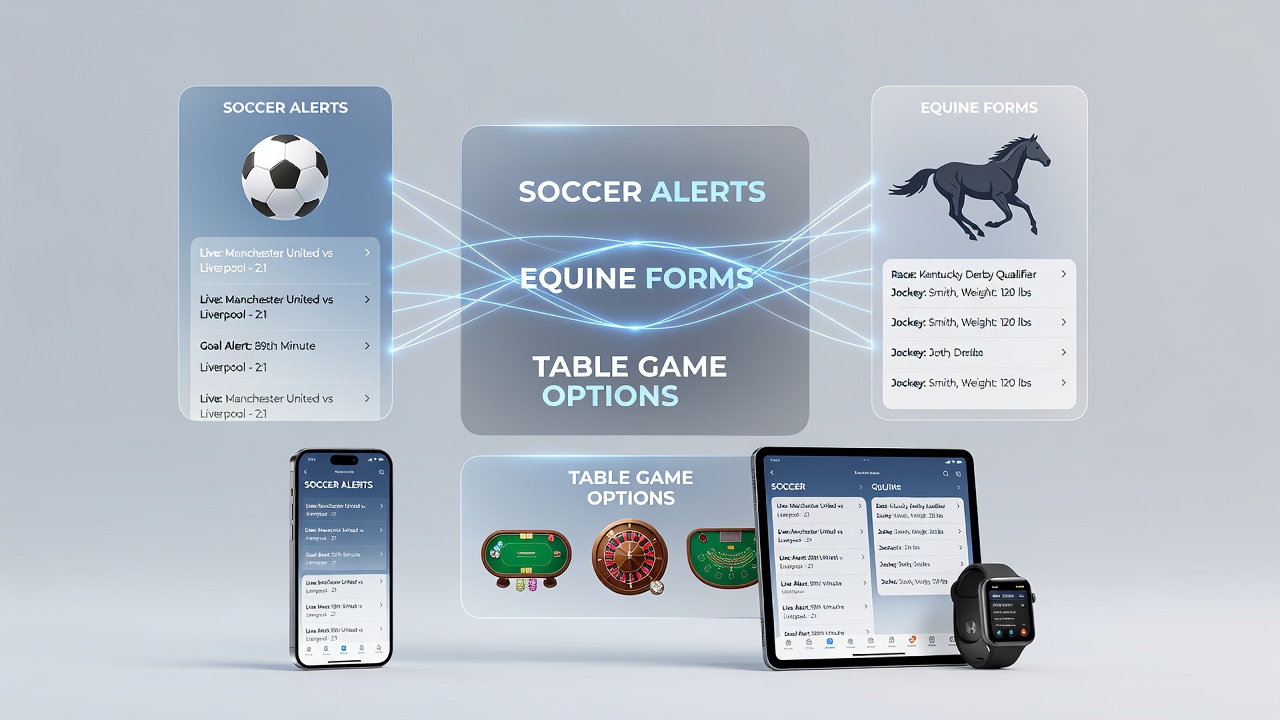
Developers have refined cross-platform app navigation patterns to connect soccer alerts directly with equine forms and table game options through portable features that function consistently across devices. These patterns rely on unified menus, deep linking, and responsive layouts that maintain continuity when users shift between live notifications and detailed data views. Research from the Australian Institute of Gambling Research indicates that such integration reduces friction during multi-category sessions where alerts prompt immediate access to forms or game selections.
Navigation Structures in Portable Environments
Bottom navigation bars serve as primary anchors in many applications, placing soccer alerts, equine performance records, and casino table selections within thumb-reach while supporting swipe gestures for quick transitions. Side drawers expand to reveal secondary options such as personalized filters for upcoming races or specific table limits, and these elements adapt automatically when screens resize on tablets or foldable phones. Push notifications carrying soccer updates often embed links that open the app at the corresponding equine form or table game lobby, creating seamless pathways that observers note have become standard in recent platform updates.
Search functions incorporate predictive text that surfaces related content across categories, allowing a query on a soccer match to surface associated table game promotions or horse racing schedules in the same results pane. Tabbed interfaces further organize live data streams so that users can toggle between alert feeds, form statistics, and game previews without reloading entire sections. Studies show these layered approaches support extended engagement because portable devices maintain session state across brief interruptions like network changes or app backgrounding.
Data Integration and Alert Mechanisms
Real-time soccer alerts feed into equine forms through shared data layers that highlight correlations such as player performance metrics alongside jockey records. Table game options appear in contextual panels triggered by the same alert system, presenting live dealer tables or slot variants that align with ongoing sports events. This linkage relies on backend APIs that synchronize updates across operating systems, ensuring that information displayed on iOS mirrors the layout seen on Android without requiring separate codebases.
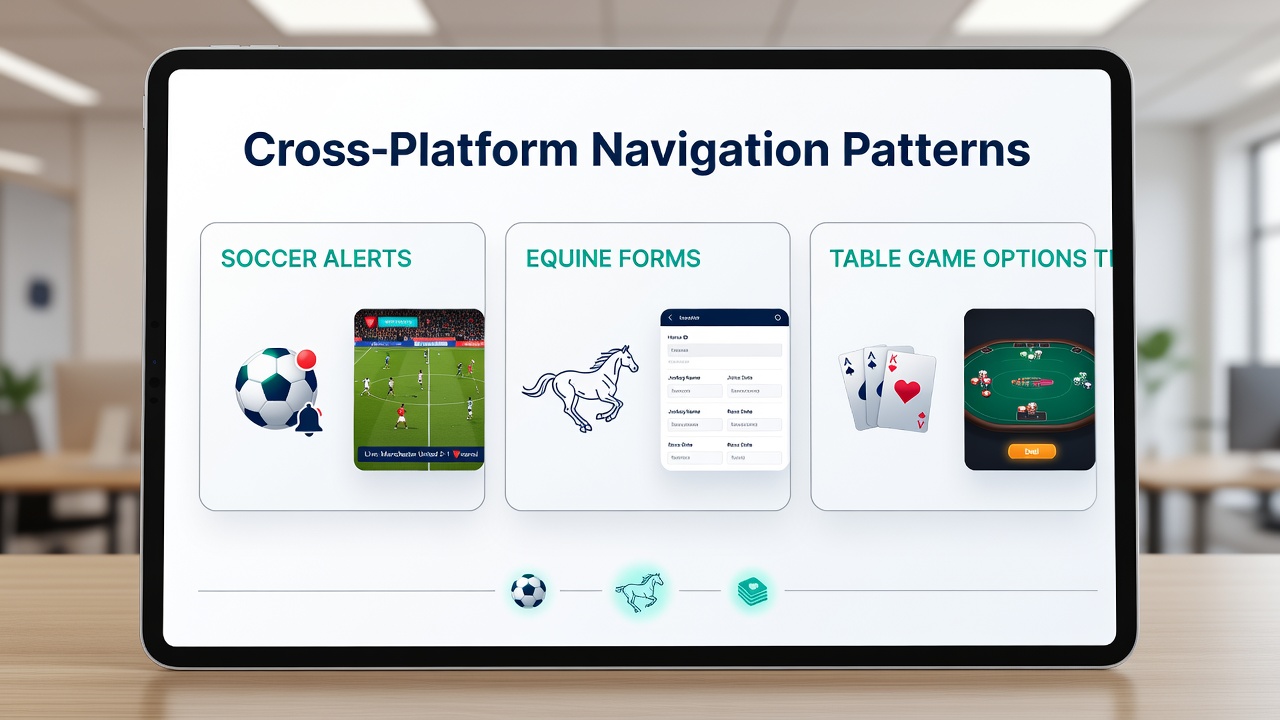
Customization controls let users set priority levels for different alert types so that equine form notifications receive equal prominence to soccer updates while casino options surface during designated time windows. Accessibility features such as voice commands and high-contrast modes extend these navigation patterns to broader audiences, and data from industry reports confirm that inclusive design correlates with higher retention across portable platforms. In August 2026 several international regulatory bodies introduced guidelines encouraging standardized notification protocols that further streamline these cross-category connections.
Cross-Platform Consistency and User Pathways
Progressive web app capabilities allow the same navigation patterns to operate through browsers on desktop and mobile devices, preserving alert history and form bookmarks when users switch hardware. Developers employ component libraries that enforce uniform spacing, iconography, and transition animations, which reduces learning curves when individuals move between operating systems. Case examples from major operators demonstrate that unified pathways increase the frequency of shifts from soccer monitoring to equine form review and then to table game participation within single sessions.
Analytics tools track these movement patterns to refine menu ordering and link prominence, revealing that users often follow predictable sequences beginning with alerts before expanding into detailed records and game selections. Offline caching supports continued navigation when connectivity drops, storing recent soccer data, equine entries, and table game interfaces until synchronization resumes. Such resilience proves especially relevant on portable networks where signal strength varies during travel or events.
Conclusion
Cross-platform app navigation patterns that link soccer alerts, equine forms, and table game options through portable features continue to evolve around consistent structures and integrated data flows. These designs enable fluid movement across categories while maintaining performance across device types and network conditions. Observers note ongoing refinements driven by regulatory updates and usage analytics, positioning these patterns as foundational elements in multi-category mobile experiences.