Strategic Mobile Funding: Timing Deposits for Football Halftimes, Racing Breaks, and Casino Sessions
Paul Keller · Aug 15, 2026
Strategic Mobile Funding: Timing Deposits for Football Halftimes, Racing Breaks, and Casino Sessions
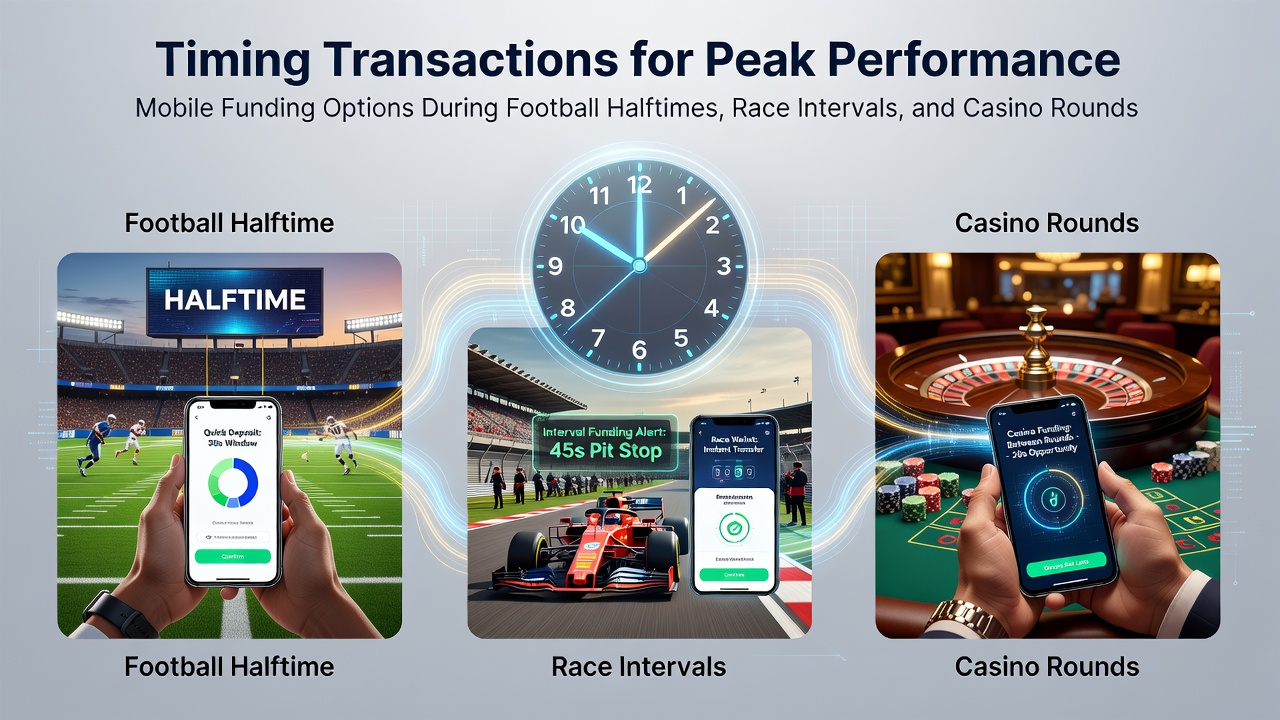
Operators and users coordinate deposit windows around structured pauses that define football matches, horse racing meets, and casino table rotations, where seconds influence available options and processing speeds. Research from industry reports shows that transaction volumes spike during these intervals, driven by real-time data feeds and app notifications that alert participants to funding opportunities before play resumes.
Understanding Interval-Based Funding Windows
Football halftimes typically last fifteen minutes, creating a compressed period for users to complete mobile deposits through banking apps or digital wallets, and payment processors note that authorization times average under thirty seconds when network conditions remain stable. Racing intervals between events stretch from five to twenty minutes depending on the track schedule, allowing participants to review balances and initiate transfers via integrated platforms that connect directly to e-wallets or card services. Casino rounds, whether at roulette wheels or slot banks, operate on continuous cycles yet feature brief dealer changes or machine resets that align with similar deposit windows, where system logs indicate higher success rates for instant funding methods during these lulls.
Mobile Options and Processing Dynamics
Digital wallets dominate usage patterns because they bypass traditional bank delays, with data from transaction analytics revealing completion rates above ninety percent when users select pre-linked accounts. Card-based options provide alternatives for those preferring direct debit, though verification steps can extend timelines during peak loads, and observers note that prepaid cards offer another layer for controlled spending across multiple events. Bank transfers, while reliable for larger amounts, often require additional confirmation layers that extend beyond short intervals, prompting many platforms to integrate instant credit features tied to verified profiles.
August 2026 brings updated payment regulations across several jurisdictions that emphasize faster settlement standards, and these changes encourage operators to expand supported methods like contactless transfers and QR code initiations that reduce friction in time-sensitive scenarios.

Comparative Performance Across Event Types
Football applications demonstrate the tightest synchronization needs because match restarts follow fixed television breaks, and studies from gaming associations indicate that users who pre-authorize limits complete deposits thirty percent faster than those entering details on the fly. Horse racing events feature variable gaps influenced by field sizes and track conditions, allowing slightly more flexibility yet still requiring apps that handle variable odds updates without interrupting funding flows. Casino environments, with their round-based structures, support both quick micro-deposits and larger session top-ups, where figures from research institutions show mobile options reducing average wait times compared to desktop alternatives.
Technical Factors Influencing Success Rates
Network stability plays a central role, as mobile data fluctuations during crowded venues can delay confirmations, and platform developers respond by implementing offline queuing that processes transactions once connectivity returns. Security protocols, including biometric authentication and two-factor prompts, add minimal overhead when configured in advance, according to reports compiled by international gaming bodies. Integration with loyalty systems further streamlines the process by auto-applying verified preferences, which cuts manual inputs and aligns with observed patterns in high-volume periods.
One study revealed that coordinated timing across these formats leads to measurable improvements in transaction throughput, and those who've examined user behavior across platforms note consistent preferences for methods that confirm within ten seconds.
Regulatory Context and Future Adjustments
Authorities in regions outside the United Kingdom, including oversight bodies in Australia and select European states, continue to refine rules around real-time payments, and these adjustments affect how operators display funding options during live events. Industry organizations track adoption metrics that highlight growth in mobile-first solutions, with projections extending into 2026 and beyond based on current infrastructure investments.
Conclusion
Timing mobile funding around football halftimes, racing intervals, and casino rounds depends on selecting compatible options, preparing accounts ahead of pauses, and monitoring processing indicators that platforms provide. Data from varied sources confirms that these practices support consistent access without extending beyond available windows, and ongoing developments in payment technology continue to refine the available tools for such synchronized activities.